What started on the front lawn of the Voorhees Animal Orphanage (VAO) three decades ago has grown into a community tradition that attracts thousands of people — and plenty of four-legged guests — each year.
The VAO will celebrate the 30th anniversary of Woofstock on Saturday, Sept. 26, from 11 a.m. to 4 p.m. at Voorhees Town Center, bringing together local vendors, food trucks, entertainment, rescue organizations and animal lovers for the shelter’s largest annual fundraiser.
“This is our 30th,” said Jennifer Bailey, marketing director for the VAO. “It really started on the lawn in front of the old building.”
Woofstock remained there for several years before moving to John Connolly Park. Its eventual relocation to Voorhees Town Center happened unexpectedly about seven years ago, according to Bailey.
Just before that year’s festival, heavy rain left the park’s field underwater. Despite beautiful weather being forecast for the actual event, organizers learned the day before that they couldn’t use the field.
“How do you cancel a festival when it’s going to be gorgeous?” Bailey recalled.
So organizers made a last-minute decision to move Woofstock to Voorhees Town Center.
“Best move we ever made,” Bailey said.
The location offered improved parking and accessibility and has been Woofstock’s home ever since. But with redevelopment proposed for the Voorhees Town Center property, the future of the festival is uncertain.
“This could end up being our last one,” Bailey said of Woofstock at the Town Center. “It depends on if what was proposed goes through.”
For that reason, organizers are playfully referring to this year’s event as a possible “FUR-well Tour,” though Bailey is hopeful the festival will be able to return.
Woofstock has become particularly important because of the financial realities of operating the Animal Orphanage.
The nonprofit is a municipal animal shelter with contracts serving 26 South Jersey municipalities. Bailey said those contracts help cover the everyday care of animals, but unexpected expenses — particularly veterinary care — can quickly add up.
“We rely otherwise very heavily on donations,” Bailey said. “And that’s where Woofstock comes into play.”
The shelter also carries a mortgage on its Cooper Road facility, which was built to replace an aging building that Bailey said was literally falling apart. The newer facility provides larger kennels, indoor meeting spaces where potential adopters can interact with animals, improved cat rooms, outdoor areas and better working conditions for staff, volunteers and animals.
That makes fundraising an ongoing necessity rather than an occasional concern.
Woofstock helps meet that need while also giving the community an opportunity to connect with the organization.
And despite the name, Bailey stressed that visitors don’t need to have a dog — or even own a pet — to enjoy the festival.
“There’s a lot to do for the non-pet owner, too,” she said.
This year’s event will feature roughly 170 crafters and business vendors, along with about eight food trucks and additional food vendors. A beer garden will feature Tonewood Brewing, while entertainment will include the Sixers Stixers drum line.
There will also be children’s activities, rescue organizations, shopping and the festival’s giant raffle pavilion.
One of Woofstock’s most meaningful traditions is its alumni parade, which welcomes dogs previously adopted from the Animal Orphanage back to celebrate their new lives.
Bailey said the parade often includes a different group of alumni each year.
“You never know,” she said. “It could be a dog that you knew from seven or eight years ago. Could be somebody who went home last week.”
That connection to former shelter animals underscores the work taking place at the Animal Orphanage throughout the rest of the year.
As a municipal shelter, the organization is contractually obligated to accept stray, surrendered and unwanted cats and dogs from the communities it serves. Unlike organizations that can select which animals they accept, the Animal Orphanage must make room for animals from its contracted municipalities.
“We can’t pick and choose who’s coming to us,” Bailey explained. “We don’t say no to anyone.”
When space permits, the shelter also works with rescue organizations outside New Jersey to bring in animals from areas where shelters are overcrowded.
But Bailey describes the Animal Orphanage’s primary role closer to home as being a community “safety net.”
That can mean taking in a stray picked up by animal control overnight, a litter of kittens discovered under a shed or multiple animals surrendered unexpectedly at once.
“You’re only a hoarding case away from going from empty to full”, Bailey said.
Some animals find homes quickly. Others need more time.
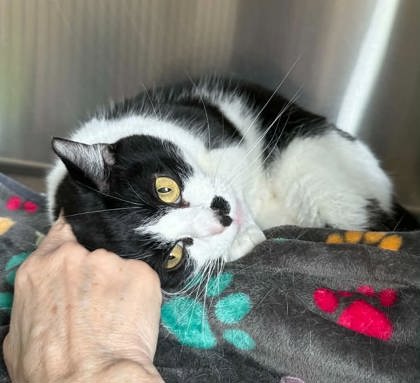
Bailey pointed to long-term residents such as Butterball and Young Gravy as examples of animals the shelter continues working with while waiting for the right adopter.
“We don’t give up,” she said. “We do believe there’s a home out there for all of them, and if it takes a little longer, it’s going to take a little longer. But that’s what we do.”
That philosophy also shapes the shelter’s adoption process. Bailey emphasized that animals are not adopted on a first-come, first-served basis. Staff members instead try to determine which applicant offers the best fit for each animal.
“We are all about doing what’s best for the animal,” she said. “Not that people aren’t good adopters, but we’re just looking for the best fit.”
Volunteers play another major role in making that work possible.
Dog walkers help get shelter dogs outside for walks, ideally twice a day, while “cat cuddlers” socialize cats and help introduce them to prospective adopters. Volunteers also care for Animal Orphanage cats housed at off-site pet stores and help with community events — including Woofstock.
Material donations remain an ongoing need, too.
Bailey said kitten season has seemed almost endless, creating a constant need for supplies such as cat litter and food. Donations often surge around the holidays, but supplies can dwindle during other parts of the year.
At one point this summer, Bailey said the shelter was down to just two bags of food. Staff put the need on the shelter’s sign and on social media, and the community responded within days.
“Thank God,” Bailey said of those donations, “because, again, we don’t have a budget per se to cover that.”
For 30 years, Woofstock has helped fill that gap, turning a day of food, entertainment, shopping and dogs into support for animals throughout South Jersey.
Whether this year’s “FUR-well Tour” becomes the final Woofstock at Voorhees Town Center or simply another chapter in the festival’s history remains to be seen.
But the mission behind it will continue.
Woofstock 30 will take place Saturday, Sept. 26, from 11 a.m. to 4 p.m. at Voorhees Town Center. The event is rain or shine. Admission is $2 per person or $5 for groups of three or more. Well-behaved dogs are welcome and must be kept on non-retractable leashes.
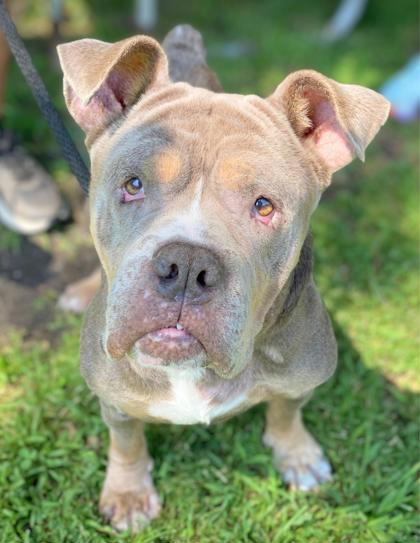
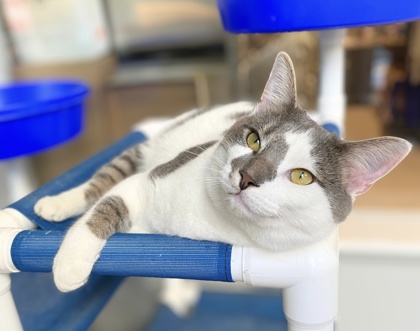
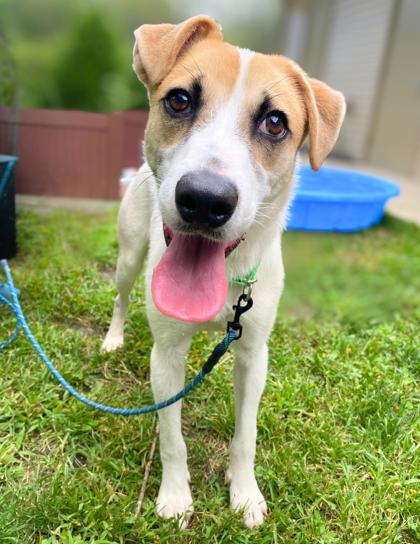
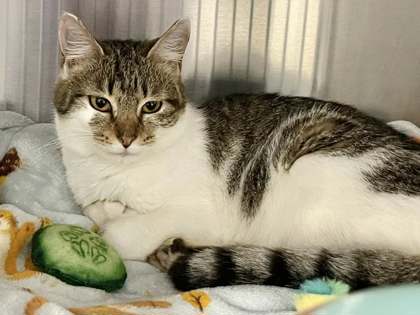
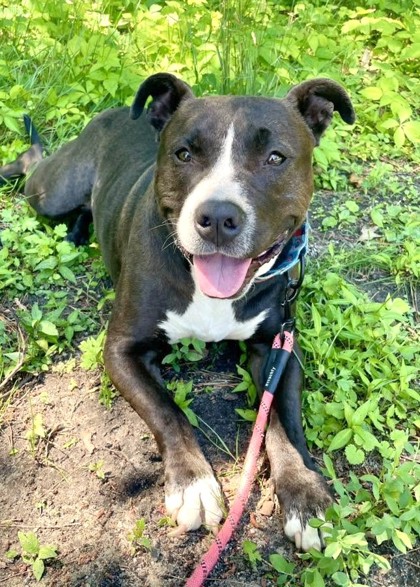
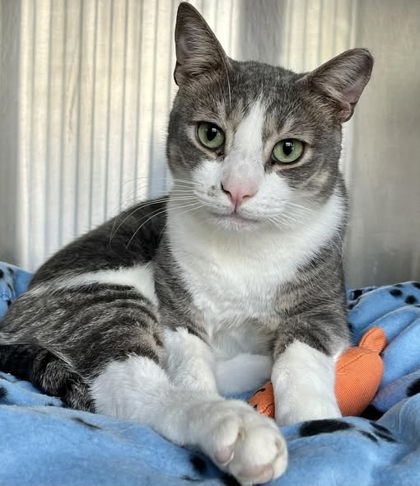
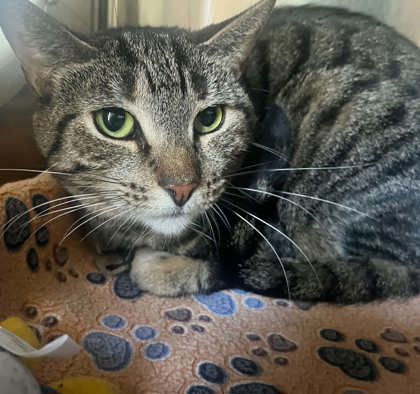
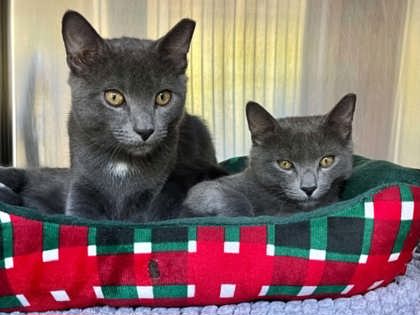
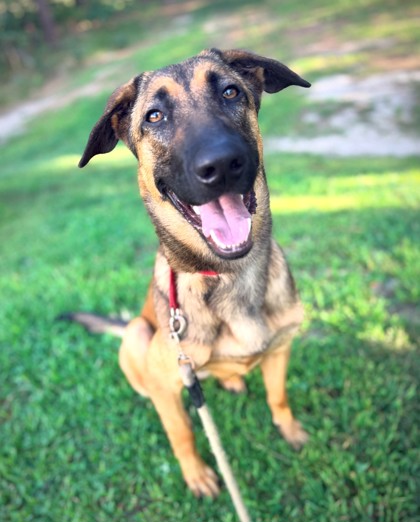
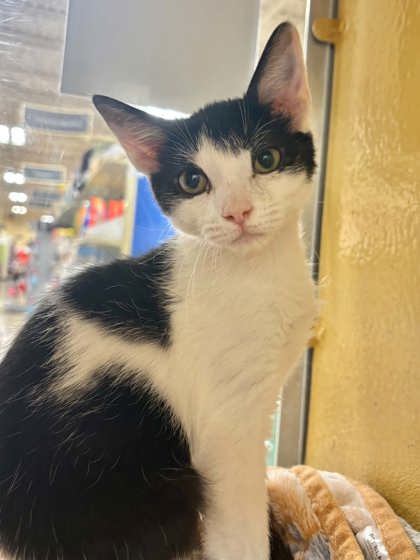
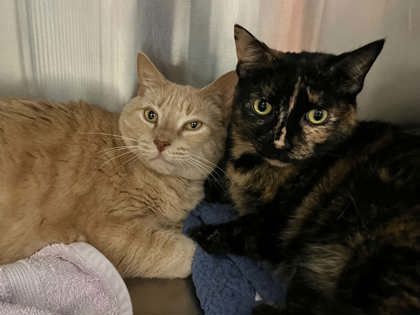
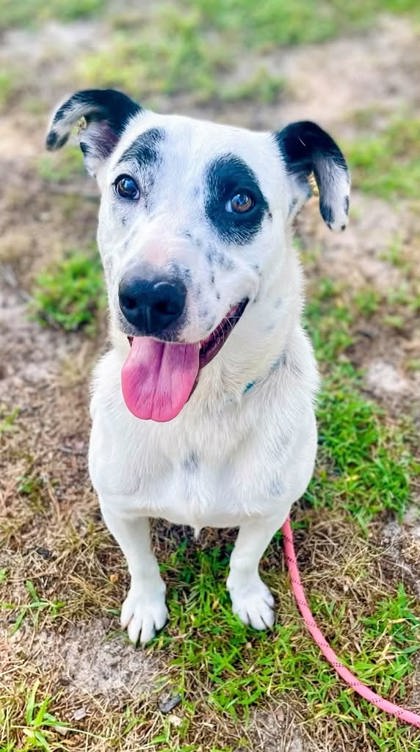
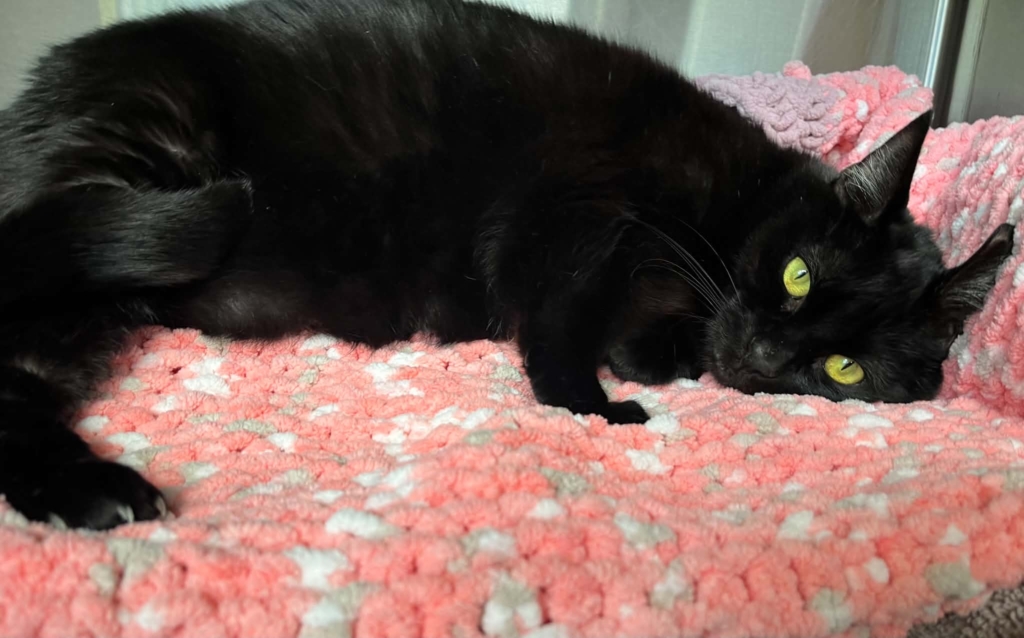
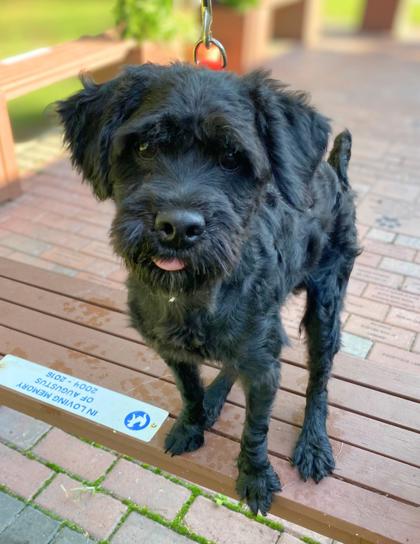
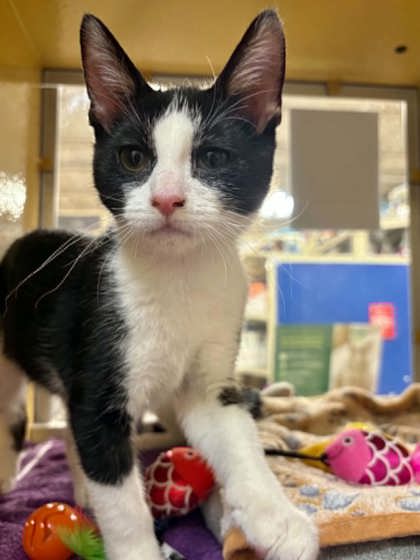
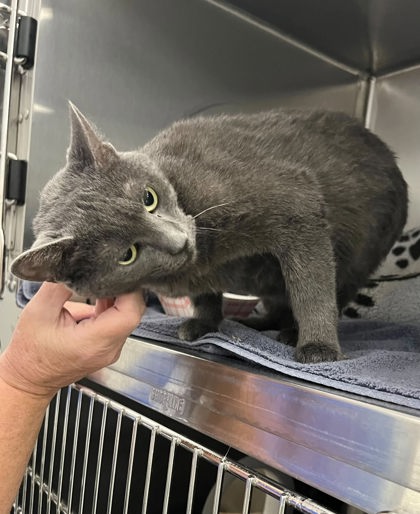
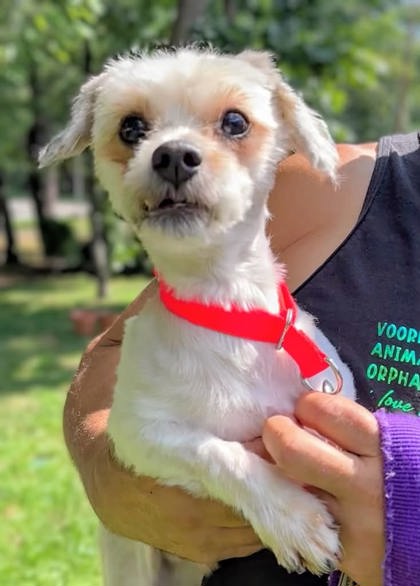
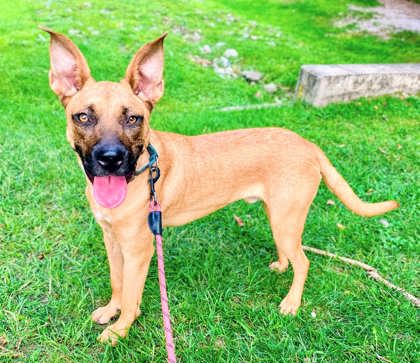
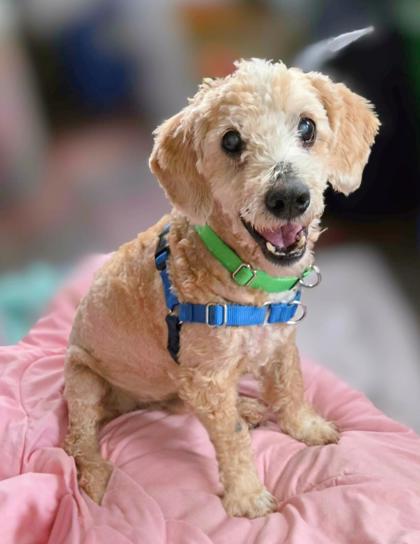
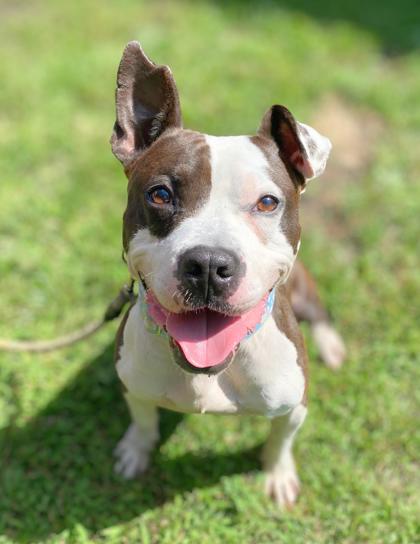
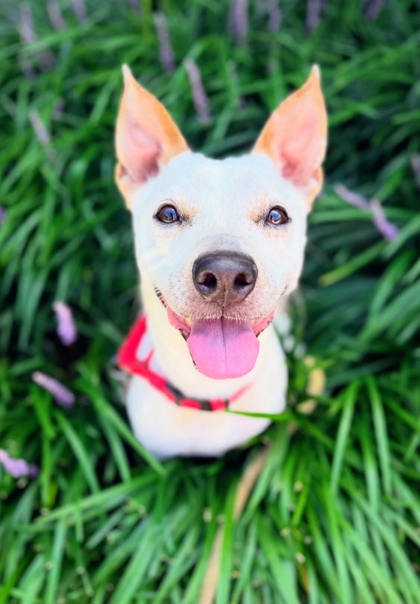
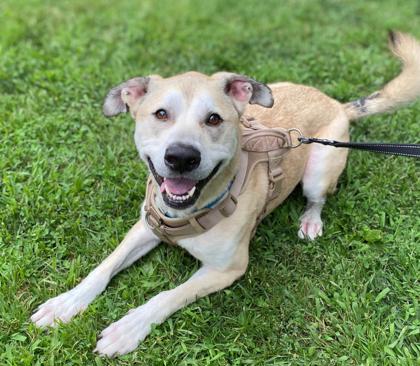
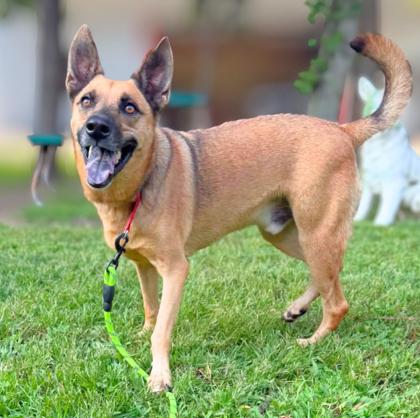
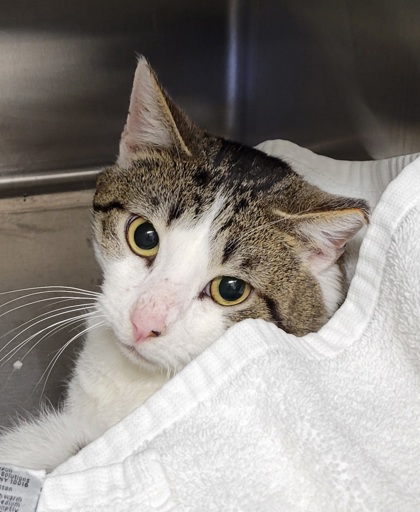
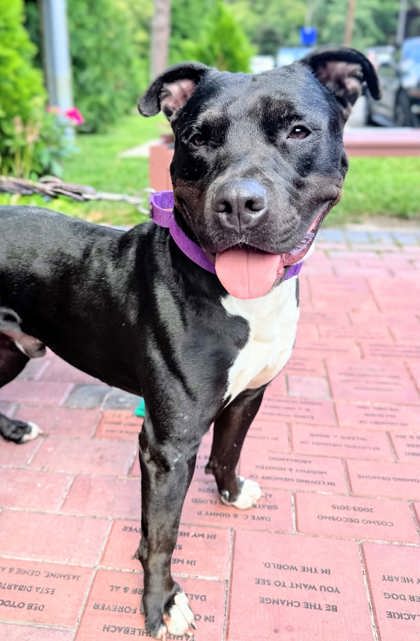
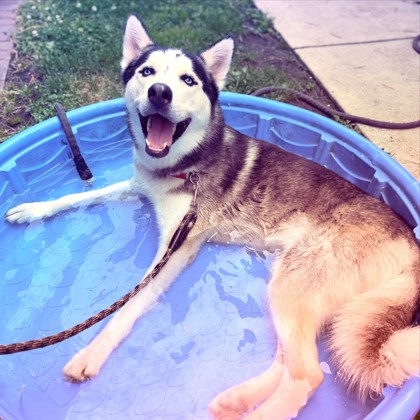
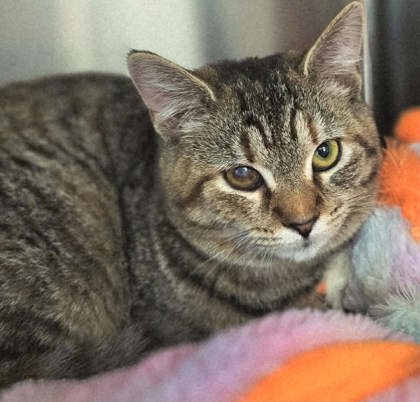
30 Pets for 30 Years
These prospective pets are some of the VAO’s longest residents. For more information on each animal, you can visit www.aonj.org or stop by the shelter at 419 Cooper Rd.