November is National Diabetes Awareness Month, a national campaign recognized as a month to raise awareness about type 1 and type 2 diabetes, support patients and initiate health and prevention education.
According to the National Institute of Diabetes and Digestive and Kidney Diseases (NIDDK), part of the National Institutes of Health, “diabetes is a disease that occurs when your blood glucose, also called blood sugar, is too high…Diabetes can damage the eyes, kidneys, nerves, and heart, and it is linked to some types of cancer.”
NIDDK reported that approximately 38 million Americans are affected by diabetes, and according to the World Health Organization, “the number of people living with diabetes rose from 200 million in 1990 to 830 million in 2022.” The disease — both type 1 and type 2 — affects children and adults.
Additionally, one of the complications individuals with diabetes are more likely to get is gastroparesis, also known as delayed gastric emptying. According to NIDDK, gastroparesis “is a disorder that slows or stops the movement of food from your stomach to your small intestine, even though there is no blockage in the stomach or intestines.”
This National Diabetes Awareness Month and beyond, Williamstown resident and former Washington Township resident, Peg Bradford wants to honor her mother, Carmella Weber of Washington Township. Her mother, who was a type 2 diabetic for as long as Bradford could remember, passed away at 85 in early September, largely due to complications from gastroparesis.
Type 2 diabetes is primarily hereditary on Weber’s side of the family, as many of her relatives also suffered or suffer with the disease. About 20 years ago, Weber was treated in the emergency room and ultimately diagnosed with gastroparesis, which she lived with until she passed.
Additionally, five years ago, at age 56, Bradford received a type 2 diabetes diagnosis herself, even while focusing on her health, fitness and wellness.
Now, while mourning the loss of her mother and consistently working on her own health, Bradford is determined to raise diabetes and gastroproaresis awareness, hoping to even help at least one person, stating that it also is something her mom wanted. Before Weber passed away, she asked Bradford to let people know about her diseases; she wanted to spread the word to hopefully educate others on the warning signs and experiences she had gone through. Bradford promised Weber she would educate others about both diseases, especially gastroparesis, which many people do not know about.
“She was always about helping others and giving,” Bradford said. “I told her ‘absolutely,’ so that’s what I’m doing…I just really want to bring awareness and want to help whoever I can. If I help even just one person, my mom will be smiling down too.”
Bradford said her mother had always managed to control her diabetes. However, about 20 years ago, her mother began having new issues. She was feeling sick to herstomach very consistently.
“First, we thought maybe she was sick, maybe a virus. Then (the issues) would just come and go,” Bradford said. “She would have a problem that she would eat, and she’d feel like she’s going to through up. (Things got worse) and we eventually ended up in the emergency room. It was a doctor there that diagnosed her with gastroparesis.”
Weber underwent treatment and management for her gastroparesis until she passed away, although Bradford said it got worse as time went on. This included trying different kinds of digestive medications, managing her diet and even getting Botox inside of her stomach two times. While she was on hospice, Bradford said Weber was taking oral morphine to help calm her stomach, but it stopped helping.
Bradford not only wants people to know about what it is like to experience gastroparesis, but also the often challenging steps it takes to get a diagnosis. Her mother saw gastroenterologists and endocronologists for her diagnosis and treatments.
According to NIDDK, a doctor will need to hear a patients medical history and symptoms, perform a physical exam, and, if deemed necessary, prescribe medical tests. NIDDK reported that “doctors use lab tests, upper gastrointestinal (GI) endoscopy, imaging tests and tests to measure how fast your stomach is emptying its contents to diagnose gastroparesis.”
Tests to measure how fast someone’s stomach is emptying may include gastric emptying scan (also called gastric emptying scintigraphy), gastric emptying breath test and wireless motility capsule (also called a SmartPill).
Bradford said her mother had other health issues, too, but the gastroparesis was primarily due to her diabetes.
“I just want to make people aware, because I’m in a couple different (health and support) Facebook groups, and I see people say they had no idea (this was an option). It’s something I want people to know they can mention to their gastro doctor and that there are tests that can be done to diagnose it,” Bradford said.
While there are several methods of prevention, one of NIDDK, Bradford and Bradford’s doctors biggest suggestions is to eat five to six small, balanced meals spread across the day, rather than two or three larger meals a day. This can greatly help with digestion and overall health. Additionally, staying hydrated and regularly partaking in physical activity can help with the prevention of gastroparesis and type 2 diabetes.
For years now, Bradford herself has implemented these strategies to help manage her type 2 diabetes and hopefully prevent gastroparesis. She has always been passionate about helping other people, especially when it came to weight, fitness and health.
As someone who had dealt with issues with gaining and losing weight over the years, she understood how important it is to find support in others who have gone through it already or are currently going through it. Because of this, in 2010, Bradford started the Facebook group Steps To Good Health that is intended to be “a community page was to support people who are dealing with weight issues and for those who want to get on the road to good health.” The group currently has nearly 20,000 members across the globe.
While Bradford has helped others, she also has turned to the group for her own support, like when she received her diagnosis and when her mother was struggling. Bradford encourages people to join the group or find groups (online or in-person) to receive support, education and awareness about the health of themselves and loved ones.
Despite the success of the Facebook group, Bradford is still eager to raise awareness about diabetes and gastroparesis as much as she can. Helping others is her and her mother’s greatest passion, afterall.
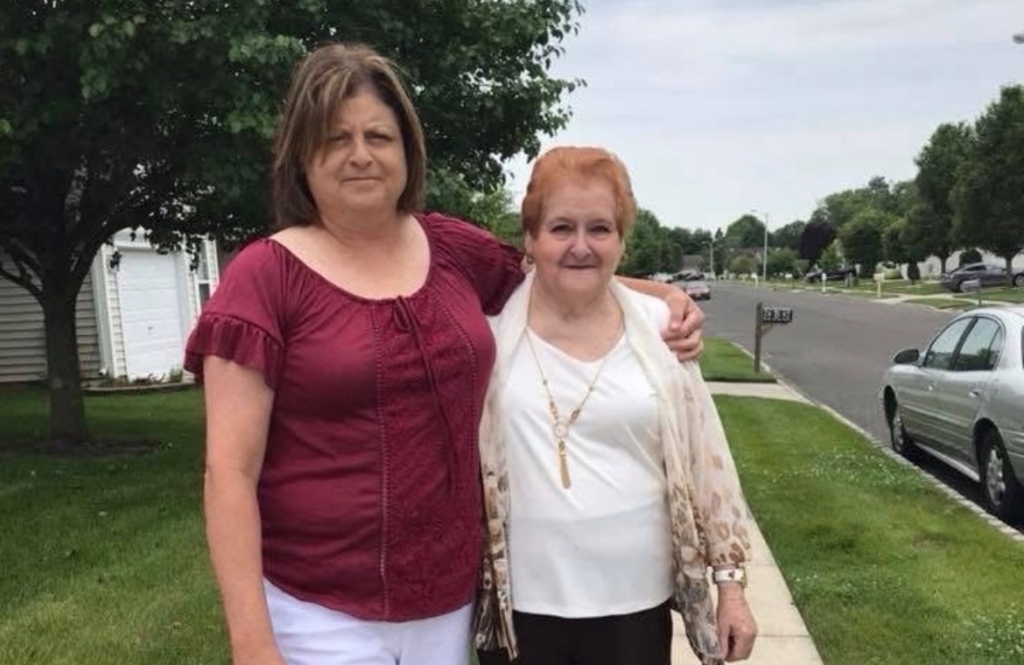
Peg Bradford and her late mother, Carmella Weber, 10 years ago.

