Evesham council recently tabled until its next meeting a proposed ordinance that would open wooded sections of the township to a limited number of licensed bow hunters in the periods when the state allows “managed reduction” of the local white-tailed deer population.
The measure was set aside by council at its June meeting after residents voiced their opposition.
In addition to increased deer-vehicle collisions, overabundant deer populations are associated with damage to crops; ornamental plantings and gardens; and destruction of the natural forest ecosystem, according to the New Jersey Division of Fish and Wildlife.
A National Deer Association study reported that a whitetail doe can give birth to one to three fawns each year, and that most healthy, adult whitetails can produce twins, contributing to overabundant populations statewide.
The ordinance is expected to decrease the number of deer-related motor-vehicle collisions on township roads. It notes that more than 600 accidents have been reported since January of 2020. The township determined that a managed reduction of the deer population was necessary to protect residents and preserve natural resources.
The Division of Fish and Wildlife authorizes the state’s municipalities to implement regulation of hunting activities on certain municipal properties in accordance with applicable laws and regulations.
The proposed deer hunting would align with the state’s Permit Bow season, which runs from Nov. 1 through Dec. 31, and its Winter Bow season, from Jan. 1 through Feb. 21. Hunting would be prohibited on Sundays and Christmas Day and the Black Run Preserve would be temporarily closed.
“(The township) desires to implement a humane, safe and effective hunting and wildlife management program consistent with state law,” the ordinance notes.
During the public portion of the June council meeting, dozens of residents addressed the ordinance, with the majority favoring approval to help decrease deer-related accidents, preserve the township’s natural resources and prevent the animals from indirectly spreading Lyme disease.
A 2010 study by the Harvard T.H. Chan School of Public Health reported that deer themselves do not harbor or transmit the Lyme-causing bacterium; research instead shows that the blood of white-tailed deer naturally kills the bacteria, rendering even the ticks that feed on them uninfected.
Opponents of the ordinance expressed concerns about hunting-related accidents, the futility of hunting as a method to decrease deer-related vehicle collisions when deer propagate rapidly, hunters disrupting the ecosystem and the closing the Black Run Preserve to the general public for an extended period.
Residents living near the proposed designated hunting areas also voiced their concerns about the possibility of children being exposed to ricocheted arrows, or a wounded deer that may go unaccounted for by hunters and regulators.
“I want to thank everybody for your comments,” Mayor Jaclyn Veasy noted at the June meeting following the council’s 5-0 vote to table the ordinance. “This discussion is not necessarily ended; it is just tabled to our next meeting so that we can have some more time to review.
“In light of the comments, we want to make sure that the residents know in the direct area about the ordinance that is being presented.”
That next meeting was July 8, when council tabled the ordinance indefinitely.
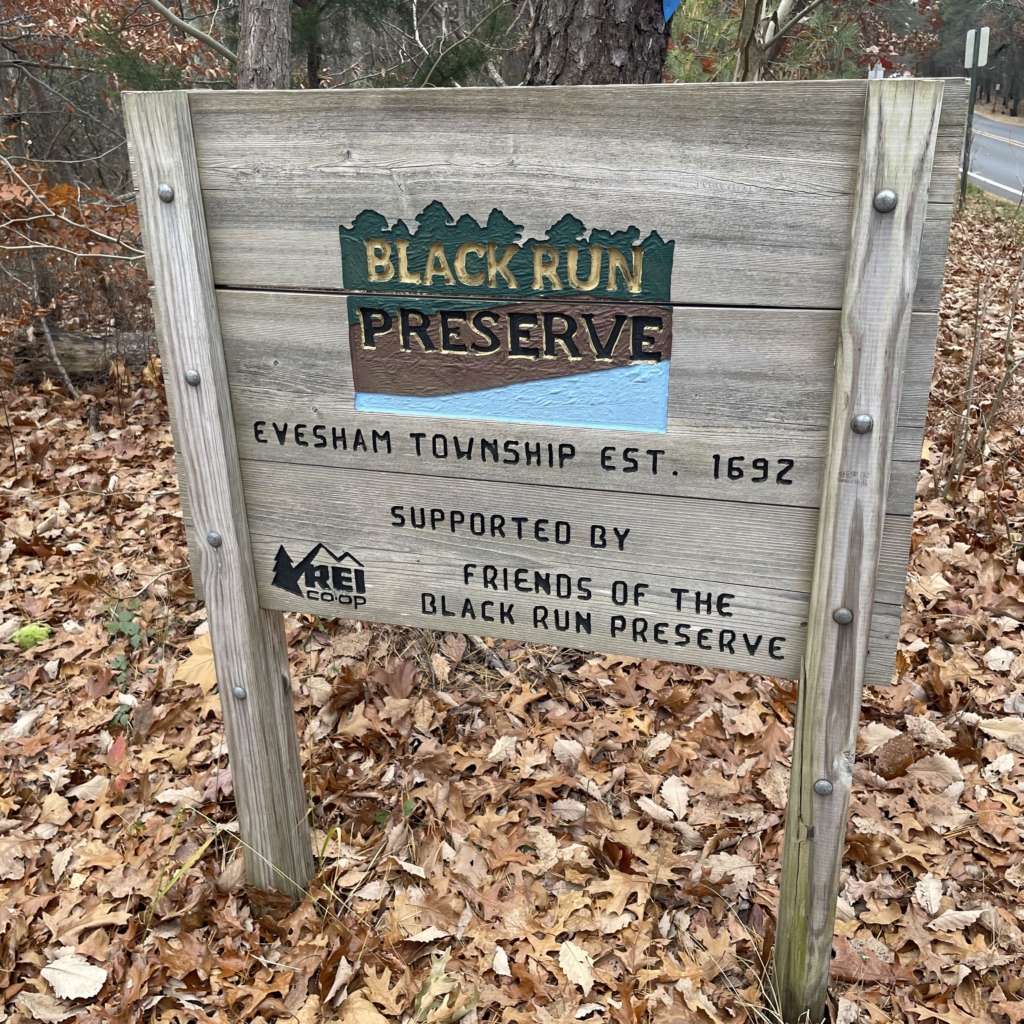
Black Run Preserve would be temporarily closed to the public under a proposed ordinance on hunting of the area’s overabundant deer population.

