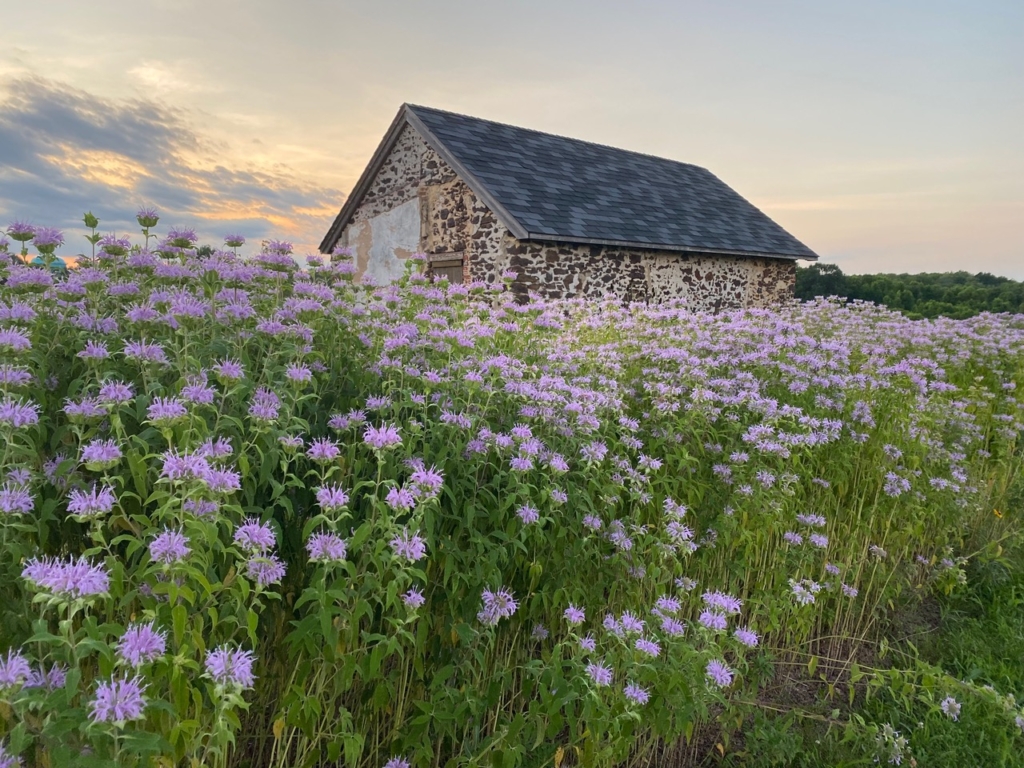
“It sure is a lot prettier to walk around a field full of native grasses and flowers,” said STEM President Mark Pensiero of Moorestown’s largest preserved open space.
Back for another round, Mike McGraw was the recent guest speaker for Save the Environment of Moorestown’s (STEM) annual meeting at the Community House.
McGraw, senior wildlife biologist/ecologist at Princeton Hydro, led the ecological and environmental study of Swede Run, which formed the basis for the township’s successful pursuit of the National Fish and Wildlife Foundation grant that will fund the upcoming restoration at Swede Run Fields. McGraw’s talk focused on the goals of the grant.
McGraw has more than 18 years of experience conducting and designing wildlife surveys and ecological investigations. While his primary focus is with vertebrate fauna in the eastern U.S., he’s worked on projects in other parts of the country, as well as Canada and Hawaii.
McGraw also has experience in training, studying and conducting surveys for federally endangered and other rare/declining insects, other invertebrates (aquatic and terrestrial) and plants. The Swede Run study was funded by a 2024 New Jersey Audubon grant, money that supported an ecological, geomorphic and water-quality assessment of the waterway.
“STEM has put a lot of energy into it (Swede Run) over the last five years to convert it from what it was,” said STEM President Mark Pensiero. “We’ve really done a lot of things to enhance its value to wildlife and to the citizens.”
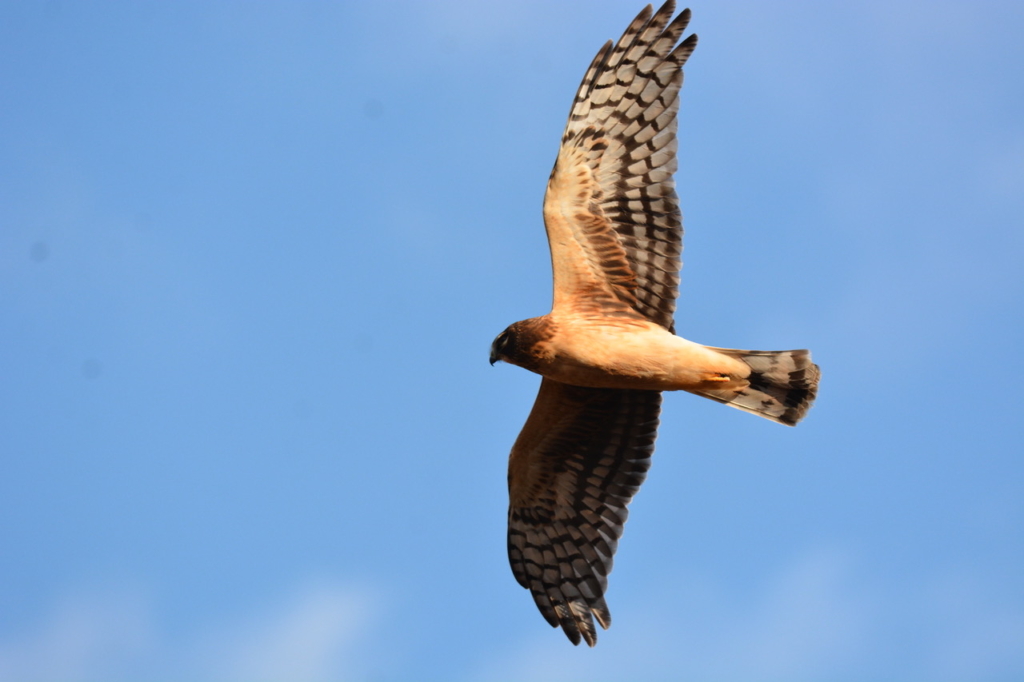
A Northern Harrier flies over the skies of Swede Run.
At more than 130 acres with multiple habitats, Swede Run includes a dog park, a 4,000-square-foot pollinator garden, wetlands, forested areas, a beaver pond and vernal pools. Earlier this year, the township was awarded a $243,700 grant from the National Fish and Wildlife Foundation’s Delaware River Conservation Fund to support ecological improvements at Swede Run and its associated wetlands in the preserved open space of Swede Run Fields.
The restoration project focuses on a 39.84-acre section of the fields that includes wetland and riparian zones and Swedes Run, a direct tributary of the Delaware River. Moorestown, in partnership with STEM, will provide matching in-kind services and financial contributions totaling an additional $243,700, bringing the full project investment to nearly $487,400.
According to the township website, the funds will support the removal of invasive plant species and the installation of new native vegetation in the scrub forest, wetlands and upland deciduous forest that border Swede Run as it traverses the Swede Runs Field preserved open space. The project aims to restore critical habitat, enhance bio-diversity and improve the long-term ecological health of the site.
Grant funding will also support ongoing monitoring to evaluate project success and guide future maintenance efforts. The township is also contributing a $100,000 cash match toward the project – STEM committed an additional $40,000 – along with an additional $24,920 in in-kind services representing about 169 hours of staff time.
“We want to continue the success that we’ve had there and continue to make it a better place and make it a real showcase for the township,” Pensiero noted of Moorestown’s largest preserved open space. “The world we live in, it’s good to have places where you can go and walk and kind of get away from it all and relieve the pressure that’s both on humans and wildlife populations.
“Nature needs help and we need help, so hopefully STEM is helping in another way.”

