The Burlington County Health Department is reminding residents and farmers to be aware of the potential spread of bird flu, following a confirmed case at a farm in the county.
The state announced a case last month when it was identified by the farmer after an increase in bird mortality. It’s the latest confirmed case of bird flu in the county since a nationwide outbreak began in 2022. Health officials have stressed the threat is still primarily an animal health issue and the risk to humans is low.
Those with close to prolonged contact with infected animals can become infected themselves, but the virus is not known to be transmitted from human to human.
The county health department encourages residents to remain vigilant about avoiding contact with any dead or sick birds and to report cases to the proper authorities. Residents who keep poultry flocks should also take additional special precautions.
Residents can find information and guidance on the health department website at www.co.burlington.nj.us/2115/H5N1-bird-flu and follow all the recommended precautions. Information has also gone out to towns is posted in county parks.
Among recommended bird flu precautions are:
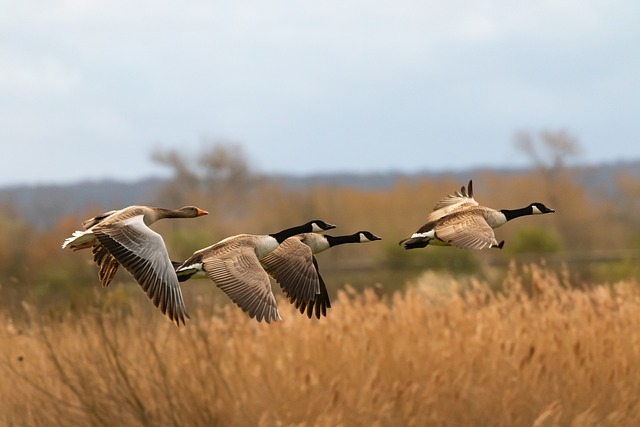
• Avoid contact with wild birds, including waterfowl such as ducks and geese. Observe them at a distance.
• Avoid unprotected contact with wild or domestic birds that appear sick or have died.
• Report cases of dead or sick wild birds to the state Department of Environmental Protection at (877) 927-6337.
• Report cases of dead or sick domestic birds or livestock to the New Jersey Department of Agriculture at (609) 671-6400 or email state.veterinarian@ag.nj.gov.
• Poultry farmers and residents with backyard chicken flocks should take special precautions to ensure birds are kept indoors or in areas that are fully enclosed and away from wild birds and their waste.
• Special precautions should be taken to dispose of dead birds. Guidance is available at www.co.burlington.nj.us.
• Keep dogs and cats from running loose outdoors and away from areas of high concentrations of geese or geese waste. If there are signs of illness in pets, contact a veterinarian for examination.
Additional guidance is available on the New Jersey H5N1 page at www.co.burlington.nj.us/2115/H5N1-bird-flu.

